Here's a scenario that happens too often: A Quebec driver is heading down Highway 20 in the rain. They tap their brakes. Nothing. Well, something happens, but not as much as it should. Their heart skips a beat. The car in front isn't slowing down fast enough. Their foot hits the pedal harder. Again, nothing like they expected.
Seconds later, they're fine. Nobody hit anybody. But they're shaking.
They just realized their brakes are failing, and they didn't know until right then.
This is why we're writing this guide: Your brakes are the difference between getting home safe and not getting home at all. And most people don't notice brake problems until the brakes literally fail. At RM PRO Auto Service, we've seen this scenario more times than we'd like. The good news? You can avoid it by learning to recognize the warning signs.
Why Brake Problems Get Worse Before You Notice Them
Your brakes are like a smoke detector in your house. Everything works fine until suddenly it doesn't. Except your brakes have warning signs if you know what to listen for.
Here's the brutal truth: Brake problems don't improve with time. They deteriorate. That little squeaking you heard last week? It gets worse. The soft feel to your brake pedal? It gets softer. The weird grinding? It becomes catastrophic.
In Quebec, where salt eats away at everything, winter potholes destroy suspension, and freeze-thaw cycles stress every component, brake degradation happens faster than most drivers realize.
A small brake pad problem today = rotor damage next month = potential brake failure the month after.
And in Quebec winters, brake failure isn't just inconvenient. It's potentially fatal.
Warning Sign #1: Your Brakes Are Squealing (Listen Up)
The Sound: That irritating squealing or squeaking when you hit the brakes, especially in the morning or after wet roads.
What It Actually Means: Your brake pads have worn down to about 2mm of thickness. When they get this thin, a metal tab built into the pad touches the rotor and creates a high-pitched sound designed specifically to annoy you into action.
Why It Matters: This isn't just annoying noise pollution for your neighborhood. It's your car's last civilized way of telling you the pads are almost gone. If you ignore it, they wear completely through. Then metal grinds on metal—and things get expensive (and dangerous) fast.
The Fix: New brake pads, usually a 30-minute job. Cost: $200-400 depending on your vehicle. Versus: Damaged rotors that cost $500-1,000+.
Insider tip: If the squealing only happens right after wet weather or snow, it might just be moisture. But if it's consistent? Don't wait.
Warning Sign #2: You Hear Grinding (Requires Immediate Attention)
The Sound: Instead of squealing, you hear a deep grinding sound, like gravel under your brakes. Or metal-on-metal scratching.
What It Actually Means: Your brake pads are completely worn through. Bare metal is now sliding directly on your rotors. This indicates serious damage is occurring and requires immediate professional attention.
Why It Matters: This causes catastrophic damage to your rotors and potentially your entire brake system. Continued driving like this can result in complete brake failure.
The Fix: Stop driving and book emergency brake service immediately. Seriously. Not tomorrow. Not after work. Immediately.
What We'll Find: Destroyed rotors, pads, and potentially caliper damage. Cost: $1,000-2,000+.
Prevention Value: If you caught the squealing from Warning Sign #1, you avoid this entirely.
Warning Sign #3: Your Brake Pedal Feels Soft or Spongy
What It Feels Like: Instead of a firm resistance, your pedal feels like you're pressing into a sponge. You have to push much further down than normal to stop the car.
What It Actually Means: One of several problems:
- Air in your brake lines (usually after maintenance)
- Brake fluid leak (less common but more serious)
- Failing master cylinder (very serious)
- Suspension problems (rare, but check it out)
Why It Matters: A soft brake pedal means you don't have full stopping power. On a snowy Quebec road? That's a disaster.
The Fix: Don't drive for extended distances. Get a professional brake diagnostic immediately. We'll check fluid levels, bleed air if needed, and identify any leaks.
Insider Knowledge: If your brakes suddenly feel soft after someone did brake work, you probably just need the brake lines bled. Easy fix. But if it happened on its own? You have a leak. Get it checked.
Warning Sign #4: Your Brake Pedal Goes All the Way to the Floor
What It Feels Like: You push the brake pedal and it travels all the way to the floor under your foot. Your car slows down... eventually... but not the way it should.
What It Actually Means: EMERGENCY. This is one of three catastrophic scenarios:
- Severe brake fluid leak (your brakes are actively losing power)
- Complete master cylinder failure (the component that creates brake pressure)
- Brake system rupture (a line broke)
Why This Is Critical: Unlike the other warning signs, this one means your brakes could completely fail right now. While you're driving. On a highway.
What to Do: If this happens while driving:
- Pump the brake pedal rapidly—older vehicles sometimes regain some pressure this way
- Shift to a lower gear to use engine braking
- Use the parking brake carefully (too hard and you'll spin out)
- Get to a safe location off the highway
- Call 911 or RM PRO Auto Service immediately at +1 438 680 4670
Do Not: Drive normally to the mechanic. Do not extend the drive. This is an emergency stop situation.
Warning Sign #5: Your Car Pulls to One Side When Braking
What It Feels Like: When you brake, the car doesn't slow down straight. It pulls heavily to the left or right, like something is grabbing one side.
What It Actually Means: Your brake system isn't engaging evenly. Possible causes:
- One brake caliper is weaker than the other (partial failure)
- Uneven brake pad wear
- Brake fluid leak on one side
- Stuck brake component on one side
- Suspension alignment issue (less common)
Why It Matters: Uneven braking + Quebec winter roads = loss of control. You could spin out, slide, or hit something you didn't intend to hit.
The Fix: Professional brake inspection and service. We'll identify which side is failing and address it.
Cost Difference: $300-500 for inspection and repair versus potential accident and everything that comes with it.
Warning Sign #6: Your Dashboard Lights Are Screaming at You
The Red Brake Warning Light
What it means: Your vehicle detected a brake system problem. Do not ignore this light.
Common causes:
- Low brake fluid (most common—usually just need to top off)
- Broken brake pad wear sensor
- Brake system failure
- Parking brake accidentally engaged
What to do: Get it scanned and diagnosed today. It could be something simple or something serious.
The Yellow/Orange ABS Light
What it means: Your Anti-Lock Braking System has failed. Your regular brakes should still work, but you've lost the anti-lock protection.
What to do: Schedule service soon. Not emergency, but not "when you get around to it" either. Usually next week.
Translation: You still have brakes, but you don't have the computer helping you maintain control on slippery roads. In Quebec? That's worth fixing quickly.
Warning Sign #7: You See Liquid Leaking Under Your Car
What to look for: Reddish, dark brown, or clear fluid pooling under your vehicle.
What it is: Brake fluid, and it's not good news.
Why it matters: Brake fluid is hydraulic. Without enough fluid, your brakes lose pressure. Lose pressure, lose stopping power.
What happens if you ignore it:
- The soft pedal feeling develops
- Pedal gets softer and softer
- One day, pedal goes to the floor
The Fix: Book service immediately—same day if possible. We'll find the leak, repair it, and refill your system. Cost: $150-400 depending on where the leak is.
Prevention Value: Catching this means you avoid brake failure completely.
Warning Sign #8: Your Brakes Smell Like Burning and Your Wheels Are Hot
What it feels and smells like: After braking, especially after coming down a long hill or heavy traffic, you smell something burning. Your wheels are extremely hot (careful touching them).
What it actually means: Your brakes are overheating, usually because:
- A brake caliper is stuck and not releasing
- Brake pads are dragging
- You've been braking excessively (like riding your brakes down a mountain)
Why it matters: Overheated brakes lose effectiveness. They can fail entirely. Plus, it's accelerating wear on your entire brake system.
What to do:
- Pull over safely
- Let your brakes cool (do not touch them)
- Don't continue driving until they've cooled significantly
- Book service tomorrow morning
Insider Knowledge: If this only happens on long downhill sections, you might need better driving technique (use lower gears). If it happens in normal driving, you have a brake component failure.
Why Quebec Winters Destroy Brakes Faster Than Anywhere Else
Salt Corrosion Damage
Winter road salt is essential for safety, but it's brutal on brake components. It corrodes:
- Rotors (creating pitting and warping)
- Metal brake lines (creating pinhole leaks)
- Calipers (causing sticking)
- Everything it touches
Result: Your brakes age 2-3 years faster in a Quebec winter than a mild climate.
The Freeze-Thaw Torture Cycle
Every time temperature swings between freezing and thawing, your brake system experiences stress. Moisture enters. Components expand and contract. Seals get compromised.
Result: What would take years in Arizona takes months in Quebec.
Winter Braking Demands
Snow. Ice. Black ice. Rain. You brake more in Quebec winters than most places brake in a year. Your brakes work harder, age faster, wear out quicker.
Math: If your brakes are rated for 80,000 km, you might only get 50,000 km in Quebec winters.
Your Actual Brake Maintenance Schedule
Don't be that person with brake failure. Follow this:
Monthly:
- Look through your wheel spokes at the brake pads—are they thicker than 3mm?
- Listen for squealing on light braking
- Notice if your brake pedal feels different
Every 3 months:
- Check brake fluid level and color (should be clear to light amber, not dark brown)
Every 6 months (or before winter):
- Professional brake inspection—don't skip this before winter hits
Annually:
- Complete brake system check including pads, rotors, fluid condition, and system pressure
Every 15,000-30,000 km (or when worn):
- Brake pad replacement (varies by driving style and roads)
Every 40,000-70,000 km (or if damaged):
- Rotor replacement or resurfacing
What You Get at RM PRO Auto Service
When you trust us with your brakes, we don't skip steps:
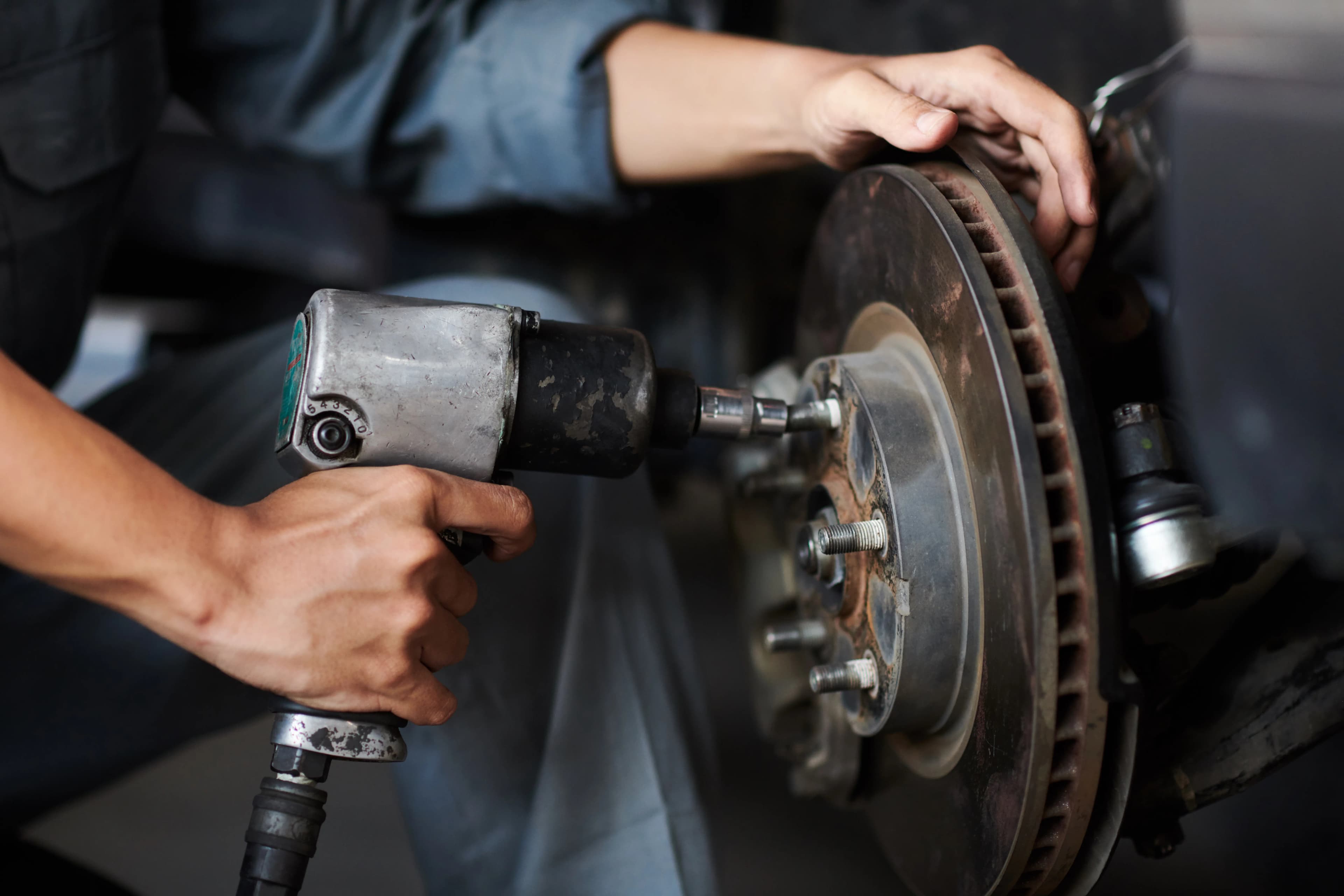
- Full pad and rotor inspection with thickness measurements
- Brake fluid testing and analysis
- Pressure and responsiveness testing
- Leak detection and identification
- Computer diagnostics for ABS and brake system codes
- Transparent pricing—no surprises, no hidden fees
- Quality parts with warranty on all work
- Same-day service for most brake repairs
Services We Provide:
- Brake pad inspection and replacement
- Rotor resurfacing or replacement
- Brake fluid flush and system bleed
- Caliper service and replacement
- Brake line inspection and repair
- ABS system diagnostics and repair
- Complete brake system inspection
Real Talk: What This Costs
| Scenario | What Happens | Cost |
|---|---|---|
| Squealing brakes (you get service) | New pads installed | $200-400 |
| Squealing brakes (you ignore it) | Pads wear through, rotors damaged | $800-1,500 |
| Grinding brakes | Severe rotor damage, caliper issues | $1,500-2,500 |
| Soft pedal caught early | Brake fluid bleed or small repair | $150-400 |
| Brake failure on highway | Accident, injuries, towing, repairs | $5,000+ |
Pattern here? Catching problems early costs a fraction of ignoring them.
Don't Become a Brake Failure Story
Every week, we meet drivers who ignored brake warning signs. Their stories sound the same:
- "I wasn't sure if it was serious"
- "I was going to get it checked but..."
- "It seemed fine when I was driving"
Then their brakes failed. And suddenly the cost balloons from a few hundred to thousands. Or worse—someone gets hurt.
You're reading this because you want to avoid that.
Here's your action plan:
- Right now: Do a quick brake inspection. Listen for squealing. Feel how your pedal responds. Check under your car for leaks.
- This week: If you noticed anything odd, book a brake inspection with us. It takes 30 minutes. Cost: $50-100 for a diagnostic. Peace of mind: priceless.
- Before winter: Even if your brakes feel fine, get a professional inspection. Not optional. Essential.
- Emergencies: If you ever feel grinding, extreme softness, or pedal-to-floor, call us immediately at +1 438 680 4670. We're open Monday through Thursday, Saturday and Sunday from 8:30 AM to 5:30 PM, Friday from 8:30 AM to 11:30 AM and 1:30 PM to 5:30 PM.
Because Brakes Save Lives
In Quebec, where we drive on black ice, through blizzards, and down mountain roads, brakes aren't just a convenience. They're the difference between a routine stop and a tragedy.
Brake warning signs are your vehicle's way of requesting attention. Don't delay getting them checked.
Schedule your brake inspection today. Your safety—and the safety of everyone on the road with you—depends on it.
Trust RM PRO Auto Service for reliable, safe braking. Book your inspection today.